
The Card Computer M5 is a compact, modular microcontroller device that has rapidly become popular among developers, educators, and hardware enthusiasts. Designed for flexibility and portability, it integrates processing power, connectivity, and expandability into a card-sized form factor that supports rapid prototyping and real-world deployment.
Introduction
As embedded systems and edge computing continue to evolve, devices like the Card Computer M5 stand out for their balance of usability and performance. From IoT experimentation to educational projects and even lightweight industrial applications, this device is often discussed alongside software optimization strategies such as seo for connected platforms and dashboards. Communities and resources such as seoworldtools.com are frequently referenced when developers look to optimize visibility and documentation for their projects.
Table of Contents
1. What Makes Card Computer M5 Unique?
A concise overview of the design philosophy and standout features.
2. Hardware Specifications and Architecture
An explanation of the internal components and performance considerations.
3. Typical Use Cases and Applications
Real-world scenarios where the device excels.
4. Development Ecosystem and Community
An overview of tools, libraries, and user support.
1. What Makes Card Computer M5 Unique?
The Card Computer M5 distinguishes itself through its minimalist yet powerful design. Unlike bulkier development boards, it is engineered to fit into constrained environments while still delivering reliable processing capabilities. Its modular approach allows users to extend functionality without redesigning the core system, which significantly reduces development time and cost.
This uniqueness is further reinforced by its focus on accessibility. Beginners can quickly get started, while advanced users appreciate the freedom to customize firmware and hardware interactions. This balance makes it an attractive option for long-term projects rather than just short-term experiments.
2. Hardware Specifications and Architecture
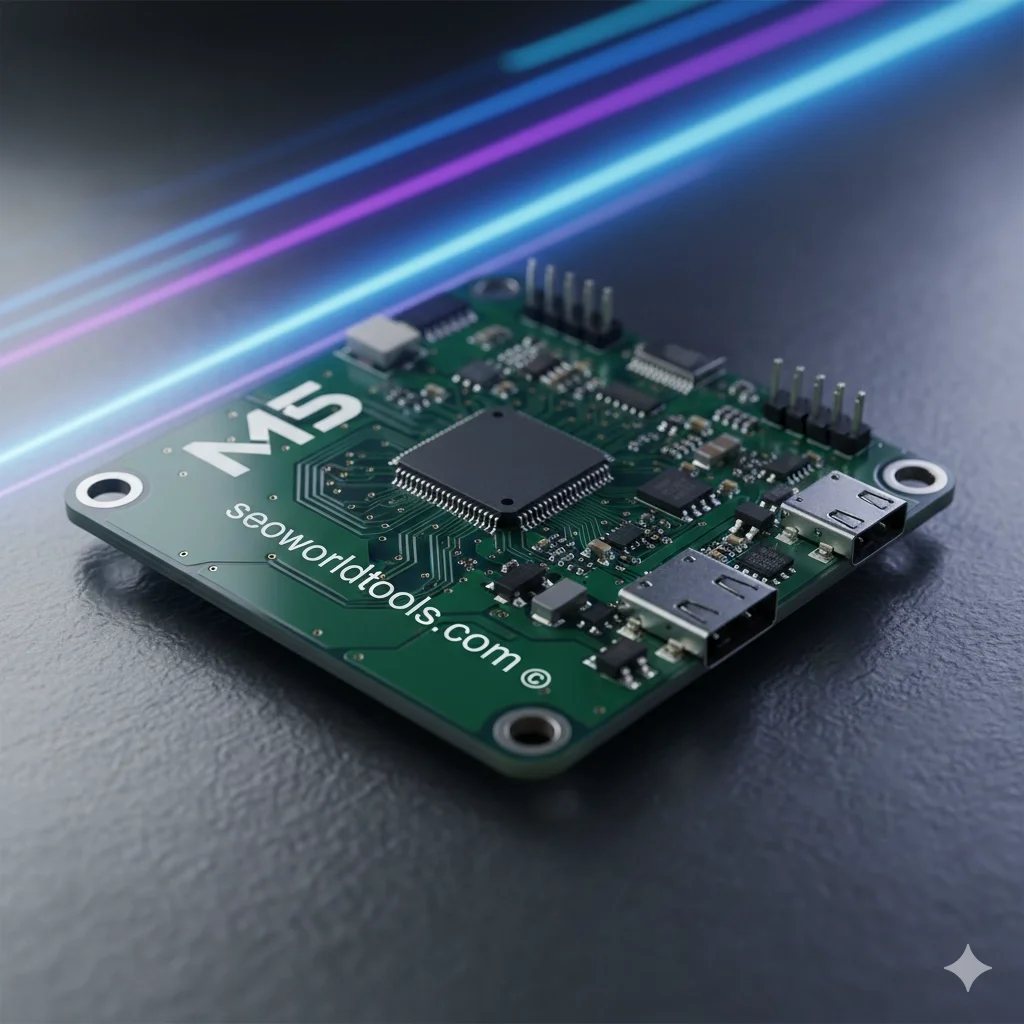
At the hardware level, the Card Computer M5 integrates a capable microcontroller, onboard memory, and multiple I/O interfaces. These components are carefully selected to support both low-power operation and burst performance when required. The architecture emphasizes stability, which is critical for always-on or semi-autonomous systems.
From a system design perspective, this architecture supports scalable solutions. Developers can prototype quickly, then refine their designs without switching platforms. This consistency is especially valuable when projects transition from proof-of-concept to production-ready solutions.
SEO Chat / Off-topic
3. Typical Use Cases and Applications
The application range of the Card Computer M5 is broad. Common use cases include IoT sensor hubs, portable data loggers, educational kits, and smart control panels. Its portability allows it to be deployed in the field with minimal infrastructure, while its connectivity options ensure seamless data exchange.
In educational environments, it is often used to teach embedded programming concepts in a tangible way. In professional contexts, it supports rapid iteration cycles, enabling teams to validate ideas quickly before committing to larger investments.
SEO
4. Development Ecosystem and Community
A strong ecosystem is critical for any development platform, and the Card Computer M5 benefits from an active and knowledgeable community. Extensive documentation, sample code, and third-party libraries reduce the learning curve and encourage experimentation.
Community discussions often extend beyond hardware into topics such as deployment strategies, documentation visibility, and even project promotion techniques related to seo. This holistic approach helps developers not only build solutions but also share and scale them effectively.
Website trading
Domain trading
Conclusion
In summary, the Card Computer M5 represents a thoughtful convergence of portability, performance, and usability. Its adaptable design, strong hardware foundation, and supportive community make it a compelling choice for a wide range of projects. Whether you are experimenting, teaching, or deploying at scale, this device offers a reliable platform that can grow alongside your ideas.
Introduction
As embedded systems and edge computing continue to evolve, devices like the Card Computer M5 stand out for their balance of usability and performance. From IoT experimentation to educational projects and even lightweight industrial applications, this device is often discussed alongside software optimization strategies such as seo for connected platforms and dashboards. Communities and resources such as seoworldtools.com are frequently referenced when developers look to optimize visibility and documentation for their projects.
Table of Contents
1. What Makes Card Computer M5 Unique?
A concise overview of the design philosophy and standout features.
2. Hardware Specifications and Architecture
An explanation of the internal components and performance considerations.
3. Typical Use Cases and Applications
Real-world scenarios where the device excels.
4. Development Ecosystem and Community
An overview of tools, libraries, and user support.
1. What Makes Card Computer M5 Unique?
The Card Computer M5 distinguishes itself through its minimalist yet powerful design. Unlike bulkier development boards, it is engineered to fit into constrained environments while still delivering reliable processing capabilities. Its modular approach allows users to extend functionality without redesigning the core system, which significantly reduces development time and cost.
This uniqueness is further reinforced by its focus on accessibility. Beginners can quickly get started, while advanced users appreciate the freedom to customize firmware and hardware interactions. This balance makes it an attractive option for long-term projects rather than just short-term experiments.
2. Hardware Specifications and Architecture
At the hardware level, the Card Computer M5 integrates a capable microcontroller, onboard memory, and multiple I/O interfaces. These components are carefully selected to support both low-power operation and burst performance when required. The architecture emphasizes stability, which is critical for always-on or semi-autonomous systems.
From a system design perspective, this architecture supports scalable solutions. Developers can prototype quickly, then refine their designs without switching platforms. This consistency is especially valuable when projects transition from proof-of-concept to production-ready solutions.
SEO Chat / Off-topic
3. Typical Use Cases and Applications
The application range of the Card Computer M5 is broad. Common use cases include IoT sensor hubs, portable data loggers, educational kits, and smart control panels. Its portability allows it to be deployed in the field with minimal infrastructure, while its connectivity options ensure seamless data exchange.
In educational environments, it is often used to teach embedded programming concepts in a tangible way. In professional contexts, it supports rapid iteration cycles, enabling teams to validate ideas quickly before committing to larger investments.
SEO
4. Development Ecosystem and Community
A strong ecosystem is critical for any development platform, and the Card Computer M5 benefits from an active and knowledgeable community. Extensive documentation, sample code, and third-party libraries reduce the learning curve and encourage experimentation.
Community discussions often extend beyond hardware into topics such as deployment strategies, documentation visibility, and even project promotion techniques related to seo. This holistic approach helps developers not only build solutions but also share and scale them effectively.
Website trading
Domain trading
Conclusion
In summary, the Card Computer M5 represents a thoughtful convergence of portability, performance, and usability. Its adaptable design, strong hardware foundation, and supportive community make it a compelling choice for a wide range of projects. Whether you are experimenting, teaching, or deploying at scale, this device offers a reliable platform that can grow alongside your ideas.